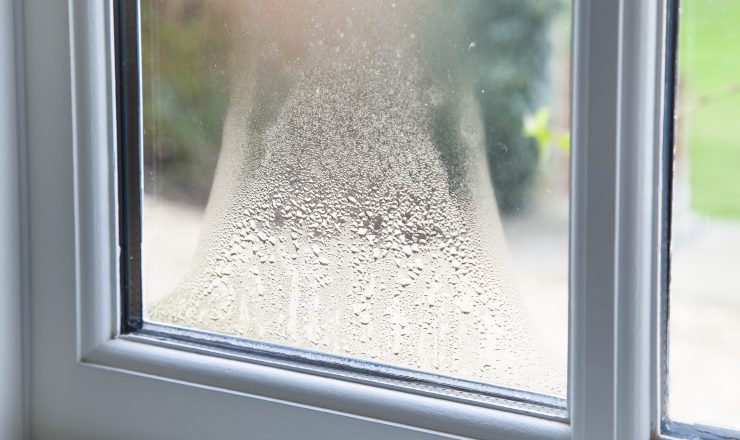
Understanding Double Glazing Moisture: Causes, Effects, and Solutions
Double glazing has actually ended up being a popular function in modern homes, primarily due to its insulation benefits and contribution to energy effectiveness. However, one of the significant problems that can arise with double-glazed windows is moisture accumulation in between the panes. This article will explore the causes of double glazing moisture, its effects on your windows and health, and useful solutions for prevention and removal.
What is Double Glazing?
Double glazing describes the setup of two panes of glass in a window frame, with a sealed air gap in between them. This style provides exceptional insulation, reducing heat loss, lessening sound, and boosting energy efficiency. Regardless of its lots of benefits, double glazing can in some cases experience condensation or moisture between the glass panes.
Reasons for Moisture in Double Glazing
Moisture accumulation in double glazing usually occurs when there is a break in the seal surrounding the glass panes. Below are some of the main causes:
- Seal Failure: The seals around double-glazed units can break down gradually due to environmental aspects like UV rays and temperature level fluctuations. When the seal fails, moisture-laden air can enter the space between the panes, leading to condensation accumulation.
- Temperature Changes: Rapid temperature level variations can cause condensation. For example, when it's hot and damp outside but cooler inside (or vice versa), condensation is most likely to form on the surface of the glass.
- Poor Installation: If double-glazed windows are not installed properly, this can cause gaps in the seals or insufficient drain, increasing the opportunities of moisture accumulation.
- Unclean or Damaged Glass: Dirt and scratches on the glass surface areas can also disrupt the seal and cause moisture invasion.
- Humidity Levels: High indoor humidity can exacerbate condensation issues, especially in locations like cooking areas and bathrooms.
The Effects of Moisture in Double Glazing
Moisture accumulation between the panes of double glazing can have numerous negative results:
- Diminished Aesthetic Appeal: Condensation causes foggy or hazy windows, detracting from a home's look.
- Decreased Insulating Properties: When condensation kinds, the insulating properties of double-glazed windows are jeopardized, resulting in increased energy expenses and pain in the home.
- Potential Structural Damage: Prolonged moisture buildup can potentially result in mold development and damage the window frame and surrounding locations.
- Reduced Property Value: Homes with visible double glazing moisture concerns may struggle with decreased home worth and appeal to prospective purchasers.
Solutions for Double Glazing Moisture
When experiencing moisture in double glazing, it's necessary to determine the cause and execute effective solutions. Here are several alternatives to think about:
- Seal Replacement: If seal failure is the perpetrator, the most efficient option is typically to change the malfunctioning seal. Proficient professionals can do this without entirely changing the window unit.
- Glass Replacement: In cases where the window has actually been extensively damaged or the seals can not be successfully repaired, replacing the entire double-glazed system may be necessary.
- Ventilation Improvements: Improving ventilation in high-humidity locations can lower the level of moisture in the air. Think about utilizing exhaust fans in kitchens and restrooms.
- Utilizing Dehumidifiers: Portable or whole-house dehumidifiers can assist handle indoor humidity, lowering the opportunities of condensation forming on windows.
- Professional Inspection: Regular assessments by a window professional can help identify early signs of seal failure or other moisture problems, enabling for timely repairs.
Table: Summary of Causes, Effects, and Solutions for Double Glazing Moisture
| Classification | Details |
|---|---|
| Causes | - Seal failure - Temperature modifications - Poor setup - Dirty/damaged glass - High humidity levels |
| Impacts | - Diminished aesthetic appeal - Reduced insulating homes - Potential structural damage - Decreased residential or commercial property value |
| Solutions | - Seal replacement - Glass replacement - Ventilation improvements - Using dehumidifiers - Professional assessment |
Often Asked Questions (FAQs)
1. How can I tell if my double glazing has moisture inside?
- The most typical indication is fogging or condensation visible in between the panes of glass. It might likewise appear as streaks or water beads.
2. Can I fix the moisture issue myself?
- Small condensation can be handled through better ventilation, but substantial moisture problems often need professional assessment and repair.
3. The length of time does double glazing typically last?
- Top quality double-glazed windows can last up to 20 years or more; nevertheless, different aspects, including installation quality and local environment conditions, can affect longevity.
4. Misted Double Glazing UK in between the panes hazardous to health?
- While the condensation itself is not straight harmful, it can lead to mold development, which can pose health dangers.
5. What are the costs related to fixing double glazing moisture concerns?
- Repair costs can differ commonly depending upon the extent of the damage, with easy seal replacements being less costly and total glass replacements costing significantly more.
Double glazing offers lots of advantages, but moisture accumulation can present considerable challenges if not dealt with immediately. Comprehending the causes, impacts, and offered solutions is vital for maintaining double-glazed windows effectively. By taking preventive procedures and acting quickly when moisture problems emerge, house owners can maintain their windows' visual appeal and energy efficiency while guaranteeing a comfy and healthy living environment.